

Standing for a society where human life is valued
At all stages
About Us
We are a non-denominational human rights organisation, drawing support from a large cross-section of Irish society. We promote pro-life education and defend human life at all stages, from conception to natural death. We also campaign for resources to support and assist pregnant women and those in need of healing after abortion.
Watch How
Catch Up on Latest News
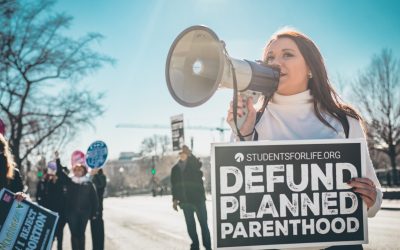
Planned Parenthood facing potential $350 million penalty over abortion claims
A Florida Circuit Court judge has rejected Planned Parenthood’s attempt to dismiss a false advertising lawsuit brought by the Florida Attorney General over the abortion giant’s claims that chemical abortion drugs are “safer than Tylenol.”
Man declared dead after euthanasia attempt resumes breathing, prompting investigation
It now emerges that the Canadian doctor we featured in last week’s edition of the Vital Signs newsletter for conducting a euthanasia assessment outside a coffee shop has also been disciplined by his provincial medical regulator after a patient who had been pronounced dead woke up following a botched euthanasia attempt.
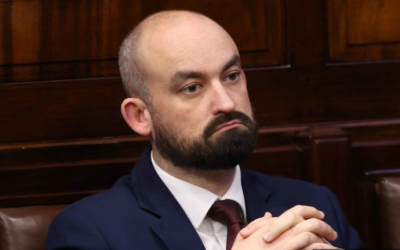
Social Democrats TD “really angry” at fellow parliamentarians for opposing abortion bill
Social Democrats TD Eoin Hayes has been scathing in his criticism of Oireachtas colleagues who opposed his party’s recent abortion bill, which sought to abolish the three-day waiting period before an abortion and to widen the grounds for late-term abortions.
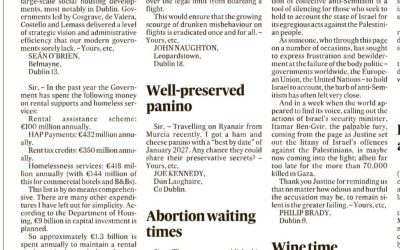
Letter to Editor: Abortion waiting times
The comments published in this newspaper following Breda O’Brien’s recent article from two prominent pro-abortion organisations, Start and IFPA, attempt to dismiss the value of the three-day wait for reflection before abortion.

Kentucky man accused of switching girlfriend’s meds with abortion drug
A Kentucky man has been arrested after allegedly replacing his pregnant girlfriend’s medication with an abortion drug without her knowledge.
Scotland’s abortion numbers reach highest level ever recorded
There were 18,783 abortions in Scotland in 2025, the highest on record.
Planned Parenthood facing potential $350 million penalty over abortion claims
A Florida Circuit Court judge has rejected Planned Parenthood’s attempt to dismiss a false advertising lawsuit brought by the Florida Attorney General over the abortion giant’s claims that chemical abortion drugs are “safer than Tylenol.”
Man declared dead after euthanasia attempt resumes breathing, prompting investigation
It now emerges that the Canadian doctor we featured in last week’s edition of the Vital Signs newsletter for conducting a euthanasia assessment outside a coffee shop has also been disciplined by his provincial medical regulator after a patient who had been pronounced dead woke up following a botched euthanasia attempt.
Social Democrats TD “really angry” at fellow parliamentarians for opposing abortion bill
Social Democrats TD Eoin Hayes has been scathing in his criticism of Oireachtas colleagues who opposed his party’s recent abortion bill, which sought to abolish the three-day waiting period before an abortion and to widen the grounds for late-term abortions.
Our Top Priorities
media
Keeping the pro-life message alive in news and media.
Students For Life
Equipping the next generation of pro-life advocates
Pregnancy Support
Supporting pregnant women and new mothers
March For Life
Standing up for mothers and their unborn babies
We Have the Power to Impact Our Future, and We’re Doing Something About It
Our organisation has a significant impact through comprehensive initiatives. We conduct thorough research to inform government decision-making on life issues. Our media spokespeople provide accurate insights across various platforms. We advocate for informed decisions at all levels of governance and raise public awareness through leaflet distribution. These are just a few of the many ways we defend the right to life and promote informed dialogue on life-related topics.
Happening Now
Planned Parenthood facing potential $350 million penalty over abortion claims
A Florida Circuit Court judge has rejected Planned Parenthood’s attempt to dismiss a false advertising lawsuit brought by the Florida Attorney General over the abortion giant’s claims that chemical abortion drugs are “safer than Tylenol.”
Get Updated!
By clicking submit, you agree that we may process your information in accordance with these terms below.
* Pro Life Campaign will use the information you provide on this form to keep in touch with you and to provide updates. You can change your mind at any time by clicking the unsubscribe link in the footer of any email you receive from us, or by contacting us at info@prolifecampaign.ie. We will treat your information with respect.
Join the Cause
Make a Donation Today
Giving ONline
Thank you for your support!
Giving By Cheque
For those unable to donate online, you can send a check, draft, or postal order to our office in Dublin, make a donation over the phone, or electronically transfer funds to our bank account.
Visit our Donate page for more info!
How Donations Are Used
Thank you for your invaluable support.